Clothing has always had a special place in Bergen’s 17 May celebrations.
What Bergen wears on 17 May
Clothing has always had a special place in Bergen’s Constitution Day celebrations. Weather is often changeable in this city between the mountains, and spring sunshine can easily give way to showers. Dressing for 17 May is therefore both a practical necessity and a visible expression of celebration.
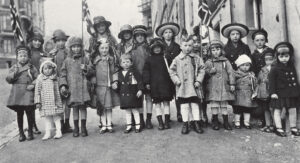
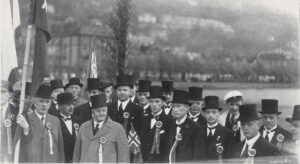
In the late nineteenth century, people wore something different from their everyday clothes. Young women appeared in splendid dresses, with colourful parasols in the spring sunshine. Distinguished gentlemen often wore top hats and frock coats. Ordinary people dressed more simply, but everyone wore their best. Together, they created a distinctive blend of ceremony and popular celebration.
New clothes for the Seventeenth
For many, this was the day when new clothes could finally be worn. In households with little money, 17 May was one of the few occasions when children received something new. The clothes meant more than decoration: they promised celebration, belonging and recognition. Perhaps the day celebrated not only the nation, but also each person’s chance to dress in their finest and present their best self.
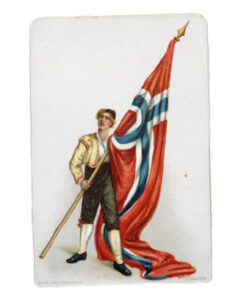
Around 1900, bunad, Norwegian traditional dress, gradually became visible in Bergen’s celebrations. Its reception was mixed. Some used it to express support for Norwegian identity in opposition to the union with Sweden. Many newspapers were sceptical of what they saw as romantic national costumes and artificial expressions, especially in an urban setting. Nevertheless, bunad found its place, first in rural associations’ displays and later among a wider public.
From this period, the dark suit also became the middle classes’ 17 May uniform.
Throughout the interwar years and after the Second World War, people continued to wear their finest clothes. The city’s elite might dress differently from one another, but the top hat remained a constant.
From bunad to sari
The meaning of bunad changed over time. After the union with Sweden dissolved, traditional dress flourished as an expression of Norwegian identity. The Hardanger bunad was even described as Norway’s national costume and was worn across much of the country.
Another revival followed the Second World War. Before the war, bunad could seem unfamiliar or affected, but throughout the twentieth century it became an increasingly natural part of Bergen’s celebrations.
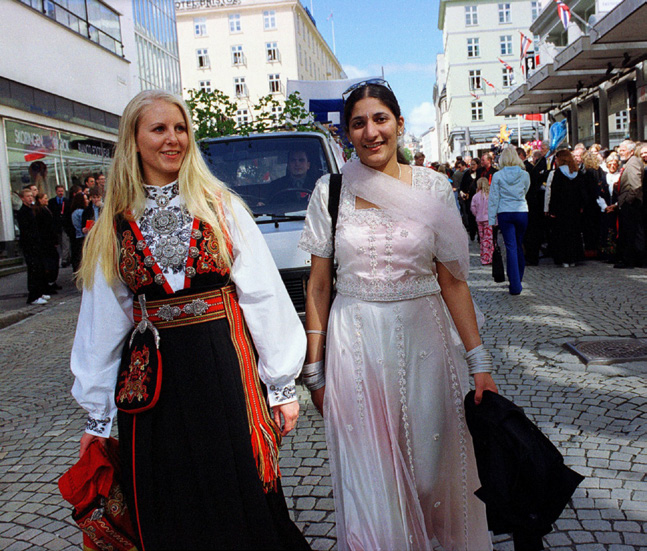
In the 1990s, it was described as formal representative dress, including for confident young Bergen men. Around the millennium, bunad represented not only heritage but also confidence and identity, interpreted, debated and highlighted in the media. Today, both men and women take pride in wearing it on Constitution Day.
The processions have also brought new influences. Saris, kimonos and other traditional costumes have found their way into the parade alongside Bergen bunads, raincoats and trainers. Perhaps this is what makes the celebrations distinctly Bergen: room for ceremony and everyday life, tradition, international influences and practical improvisation.
17 May clothing has always been about more than fashion. It has reflected social differences and national movements and, more recently, wide ethnic diversity. It tells the story of a city celebrating in its own way, from smart dark suits to colourful, slightly unruly outfits. Above it all is the hope for fine weather so that everyone can dress to celebrate.
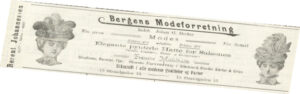
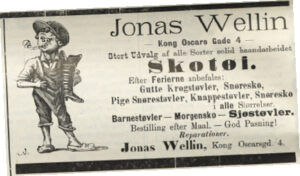
Extra clothing advertisements have always appeared before 17 May. Here are two examples from the nineteenth century. Source: Special Collections, University of Bergen Library.
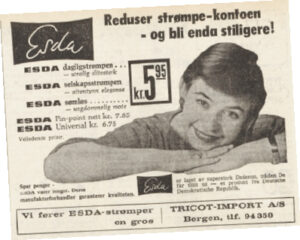
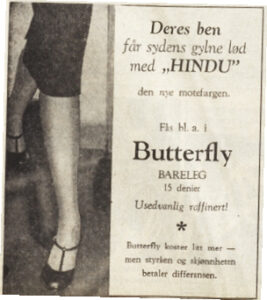
Advertisements from the 1950s. Clothes were essential, and the right stockings were popular. Source: Special Collections, University of Bergen Library.